Office Clearance in Marylebone

Office clearance in Marylebone needs a careful, practical approach that keeps workplaces moving while unwanted items are removed in an orderly way. We provide a clear service for clearing desks, chairs, storage units, filing equipment and mixed office contents, with attention to the condition, access and disposal route of each item. The result is a tidier space that is easier to hand back, refit or re-use, without turning a busy business day into a long disruption.
Our office clearance service covers a broad mix of commercial needs, from removing surplus furniture to clearing whole suites that are being reconfigured, downsized or vacated. Where useful, we can separate reusable items from general waste so the load is handled sensibly and with less unnecessary disposal. If you are planning a change in layout, a move between floors or a complete office handover, we can help you organise the clearance in a straightforward way.
For a quote, it helps to have a brief list of what needs to go and an idea of access, such as lifts, stairs, loading points or restricted entry times. Pricing and quotes can be discussed once the main details are known, and you can also use our contact page to send an enquiry when you are ready. If you are comparing options, keep your notes simple at first: the room count, the type of furniture and any items that need special handling are usually enough to begin with.
Clearance for working offices, suites and shared premises
Office environments often contain a mix of large furniture, smaller fixtures and loose contents that cannot simply be moved as one pile. We clear workspaces with that variety in mind, whether the job involves open-plan desks, private rooms, meeting areas or support spaces such as reception and storage. The aim is to remove items in a controlled sequence so the floor can be left ready for cleaning, survey, redecoration or the next stage of occupancy.
Commercial clearances benefit from being approached in sections. In practice, that may mean starting with redundant seating and storage, then moving on to desk systems, broken items and whatever else is no longer required. Where appropriate, business waste removal can support the disposal of mixed office waste, while larger structural or refurbishment-related loads may call for builders waste clearance if your project also involves strip-out materials. We can help keep the work organised so the right items are directed to the right process.
What can usually be included
The practical scope of an office clearance often includes desks, task chairs, cabinets, shelving, meeting tables, pedestals, screens, reception furniture and general loose office contents. If the room contains a mixture of reusable pieces and worn-out items, those can be dealt with separately as part of the same job where that is the sensible approach. The key is to avoid delay at the point of removal and to make sure the clearance matches the actual layout on site, rather than a generic checklist.
Furniture, fittings and interior items

Many office clearances are driven by furniture changes rather than a full closure, so it is often helpful to think first about what can stay and what should go. We handle items that are bulky, awkward or simply no longer needed, including cabinet runs, storage towers, tables and mixed seating. Where a room has been updated over time, the contents may vary widely in style and condition, and a careful approach makes it easier to clear only the items that are genuinely surplus.
If you are replacing a large amount of office furniture, it can be useful to plan the clearance around the sequence of removal. For example, large items may need to come out before smaller contents, or certain rooms may need to be cleared first so access remains available. Where relevant, furniture clearance offers a closer match for individual pieces or grouped furniture, while furniture disposal may suit items that are no longer fit for reuse and need to leave the premises efficiently.
Some offices also include fitted or semi-fixed pieces that are not quite part of the furniture, yet still need removal during a clear-out. In those cases, the job can involve understanding the difference between items that should be detached carefully and those that can be taken as loose contents. A measured approach helps avoid damage to walls, doors and floors, particularly in shared buildings where the common parts must be kept tidy and unobstructed.
Handling storage rooms, archives and awkward contents
Office clearances are not limited to the main work area. Many sites also have back rooms, stores, archives and cupboards where old equipment and forgotten materials accumulate. Clearing those spaces can make a noticeable difference because they often hold items that take up room for years without being actively used. We can help remove the contents of storage areas in an orderly way, with attention to access and the mix of items present.
When office storage is being emptied, it is often sensible to separate current records, archive boxes, obsolete files and general clutter before the clearance begins. That distinction helps ensure that only the items intended for removal are taken away. In some properties, loft clearance or garage clearance may be relevant where the business has additional storage in non-office spaces, while a home clearance style of approach can be useful if the premises contain both working and domestic-style contents under one roof.
Awkward office contents can include broken screens, mixed packaging, old peripherals and items that are easy to overlook because they are stored out of sight. A good clearance plan allows those pieces to be identified without creating confusion around what should remain on site. If a room has only partial contents to be removed, that can be handled just as methodically as a full clearance, provided the items to be taken are clearly identified beforehand.
Preparing the job and keeping access simple

A well-prepared enquiry makes it easier to scope the work accurately. The most useful details are usually the size of the office area, the main item types, whether parking or loading access is straightforward, and whether there are any restrictions on timings or building entry. Photographs can also help if the space is difficult to describe, but they are not the only way to begin. If you already know which rooms are involved, that alone is a useful starting point.
It is also worth noting any items that need extra care, such as fragile display units, older storage systems or contents that are mixed with paperwork. Clearances move more smoothly when the items to keep are separated from the items to remove before the team arrives. That does not mean everything must be sorted in advance; it simply means that a few practical notes can save time later and reduce the chance of confusion on the day. about us information is available if you want to understand more about the company background, but the clearance itself always starts with the site details.
- Tell us which rooms or areas need clearing.
- Note any large, heavy or awkward items.
- Share access details such as stairs, lifts or parking limits.
- Let us know if any items are to remain on site.
These points are enough to begin a sensible quote conversation without overcomplicating the process. If the premises are occupied, it can also help to mention whether the job must be staged around staff, clients or building management rules. That allows the clearance to be planned around the site rather than forcing the site to fit around the clearance, which is usually the better option in commercial settings.
Office contents, mixed waste and responsible disposal
Office clearances often involve more than furniture alone. There may be stationery, packaging, old equipment, non-sensitive paperwork, loose fittings and mixed rubbish gathered over time. Separating those materials properly is important because it helps ensure the right items follow the right disposal route. We can clear mixed office contents in a way that remains practical for the customer while still recognising that not every item belongs in the same category.
Where a business is reducing the amount of waste that leaves the premises, sorting can make the whole process more efficient. A short, focused clearance may only involve a few bulky items, while a larger job can include multiple categories of office waste from several rooms. For broader premises work, waste removal can cover mixed loads, and recycling and sustainability explains the wider approach to handling recoverable materials in a responsible way.
When disposal needs more than simple lifting
Some office items are straightforward to remove but less straightforward to dispose of, especially if they are mixed with attachments, cables or other non-standard pieces. In those situations, the clearance needs to be considered as a whole rather than as a set of isolated objects. That is why it helps to describe the room contents clearly at the quotation stage. The more accurately the items are identified, the better the clearance plan can match the actual load.
About Marylebone

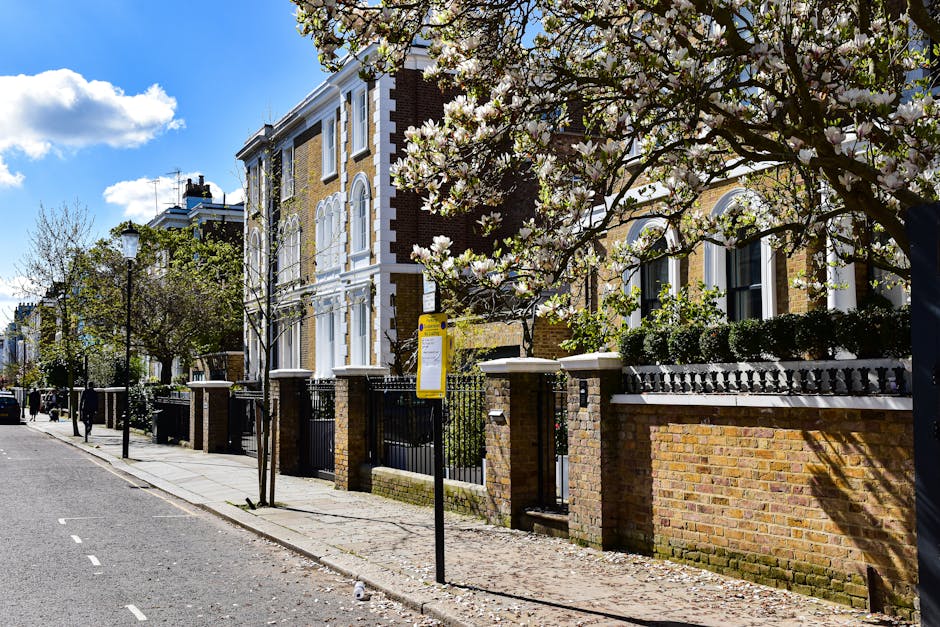
Marylebone is a central London district in the City of Westminster, positioned between Regent’s Park to the north and the West End to the south. The area is closely associated with a planned Georgian street pattern, most notably the character of the Bryanston and Portman estates, where terraces, crescents and garden squares give parts of the district a formal urban rhythm. Marylebone High Street remains one of the best-known local thoroughfares, blending independent shops, restaurants and everyday amenities with a strong sense of residential neighbourhood life. The area also contains major medical and cultural institutions, including The Royal Academy of Music, the Wallace Collection and the nearby London Business School campus at Regent’s Park. Baker Street, one of London’s most recognisable streets, runs along the western edge of the district and links the area to both transport history and popular literary associations. Marylebone station and nearby Underground connections reinforce its role as a well-connected part of central London, while smaller streets retain a quieter scale than many neighbouring districts. Green space is an important part of the local geography too, with Regent’s Park providing extensive open ground, ornamental gardens and broad walking routes just to the north. The district’s mixture of civic buildings, long-established residential squares and active retail streets gives it a varied architectural identity, shaped by later Victorian and twentieth-century additions as well as its earlier planned core. That combination of heritage, everyday commerce and prominent institutions makes Marylebone a distinct and recognisable place within central London.
Office clearance for moves, refurbishments and handovers

When an office is changing hands, being refurbished or reorganised before a move, the clearance often has to fit a wider timetable. That can mean removing furniture before decorators arrive, clearing storage before new equipment is delivered or emptying a floor in stages so essential work can continue elsewhere in the building. A careful plan helps the clearance support the project rather than interrupt it, especially where access windows are limited or other contractors are already on site.
In these situations, the most useful service is one that understands sequencing. Heavy items may need to go first, followed by contents that can be boxed or gathered more quickly. Where business premises include multiple work zones, the clearance can be divided logically so that the right rooms are completed in the right order. If the job also involves non-office materials, a related service such as flat clearance may offer a helpful comparison for mixed domestic-style contents, though the actual office work remains focused on commercial premises and workplace items.
Tell us what stays, what goes and when access is available. That simple outline is usually enough to begin shaping a sensible quotation. If you are ready to compare the job against other clearance needs, you can also review our house clearance page for a broader view of how different property types are approached. Use the contact page for your quote request when the main details are known, and we can then discuss the office clearance in a way that reflects the actual layout and contents rather than a generic estimate.
Pricing factors and quotation detail
Office clearance pricing is usually influenced by the amount of material to be removed, the type of items involved and the level of access at the property. A single room of surplus desks will not present the same workload as a multi-room floor with mixed contents, and that difference is one of the reasons clear descriptions matter. The more accurately the job is described, the more relevant the quotation can be to the actual work required.
Other factors may include whether items are bulky, whether they must be carried up or down stairs, whether loading is easy, and whether the work needs to be completed within a specific window. If the clearance is part of a larger change, such as relocation or reconfiguration, it can also be useful to note any phased timing. For some customers, pricing and quotes is the most useful next step because it sets out what information is typically needed before a job can be priced properly.
If the office includes only a few items to remove, the quotation process stays simple. If it is a fuller clearance, describing the rooms and the item types in advance helps avoid assumptions. Either way, a short written summary is usually enough to start the process. When you are ready, send the details through and we can help shape a practical plan for the clearance itself.
Supporting business waste plans and wider property clearance
Some customers need office clearance alongside other kinds of removal work. A business may be disposing of old filing cabinets, clearing a reception area, emptying staff rooms or dealing with leftover items from a refit at the same time. The job then becomes less about a single pile of furniture and more about a coordinated removal plan that keeps different materials separate enough to handle sensibly. That broader view can help when a workplace is being reset rather than simply tidied.
Where the work extends beyond a standard office, it may be useful to think about the surrounding property as well. garage clearance or garden clearance can matter if the business has storage or outdoor areas attached to the premises, while office clearance remains the main service page for the core workplace job. The point is not to complicate the process, but to make sure the right parts of the property are treated as part of one organised plan where that is genuinely helpful.
For customers managing a broader move or shutdown, a well-planned clearance reduces the chance of leaving behind items that should have gone with the main removal. It also makes it easier to inspect the space once the work is done. If there are specialist concerns, such as access restrictions or items that should not be moved without checking, those can be identified in advance and folded into the plan rather than dealt with as surprises on the day.
Requesting a quote for office clearance
To request a quote, send a short description of the office, the type of contents to be cleared and any timing constraints that affect the job. It is especially helpful to mention whether the clearance is partial or complete, and whether there are heavy items, narrow access points or building rules that we need to work around. A concise note is usually enough to begin, and it avoids the back-and-forth that can happen when the original request is too general.
If you have several areas to clear, list them in the order you would like them handled. That may include meeting rooms, storage rooms, reception spaces or workstation areas, depending on how the premises are arranged. If you want to understand the service range before sending the details, you can compare the relevant pages for office clearance and business waste removal to see how different kinds of workplace removal fit together in practice.
Ready to start? Use our contact page to ask for a quotation, and include any photographs or item notes you already have. If no photographs are available, a written summary still works well. The aim is simply to make the office clearance in Marylebone clear, practical and easy to price against the work that actually needs doing.